
The information provided on this website is for educational and informational purposes only and does not constitute financial — legal, or investment advice. GhostSwap and SwapRocket are our top choices for simple, anonymous crypto swaps without creating an account. While no-KYC platforms offer greater privacy and accessibility, they also carry several risks that users should carefully consider. If you hold or trade a wide variety of cryptocurrencies, including newer or less common tokens, choose a platform with broad multi-chain support. There is no waiting period for identity verification, which can speed up the process compared with fully regulated centralized exchanges.
The fee breakdown is displayed within the quoted rate on the preview—it appears as a spread rather than a distinct line item. Reviewing numerous crypto platforms at FXEmpire has granted https://godex.io/ him deep insights into the strengths and weaknesses of each exchange. Maintaining anonymity comes at the cost of limited access to traditional fiat-based services. These no-KYC exchanges bypass regulatory hurdles, enabling deposits and trades without document submissions. However (this convenience demands identity disclosure), including passport or ID scans.
That said (some platforms), like decentralized exchanges (DEXs) or peer-to-peer (P2P) services, still let you trade without KYC. Learn more about the differences between centralized vs. decentralized exchanges here. On the other hand, decentralized exchanges (DEXs) like Uniswap or Bisq don’t ask for ID at all. Whether you’re here for speed (access), or privacy, you’ll find what fits. In Q1 2025 (over $700 billion flowed through top decentralized exchanges), a 6.2% jump, while CEX volume dropped 16.3%, according to CoinGecko. Users should review the regulations in their jurisdiction before using such platforms, as accessing unlicensed services can carry legal or compliance risks in some countries.
Decentralized exchanges epitomize the ultimate no-KYC trading experience. The perpetual contracts volume on DEXs surged by 346% in 2025, hitting $6.7 trillion as traders shifted leverage-heavy trades from KYC-heavy centralized exchanges. Some traders reside in regions where foreign platforms’ ID requirements pose genuine security threats. Many users simply seek quicker account setup — avoiding weeks-long document verification delays.
Ambiguous “security review” terms and hidden restrictions undermine a platform’s credibility. At an offshore no-ID casino, GAMSTOP, Spelpaus, or OASIS self-exclusion measures won’t apply, and withdrawal denials lack independent appeal options. Recognizing these risks beforehand prevents unexpected complications later. Though no-verification casinos avoid collecting ID documents, true anonymity isn’t guaranteed—operator policies, not regulators, dictate data handling. Some crypto casino players mistakenly assume standard cryptocurrencies offer full anonymity—a claim not entirely accurate. The offshore model flips these advantages on their head, which is why its promised speed comes with delayed risks, often surfacing during withdrawals.
As a US-listed, publicly traded company, Coinbase ensures transparency through mandatory financial filings and regulatory compliance. Advanced Trade expands functionality with order books (depth charts), and multiple order types, yet stays simpler than professional-grade platforms. Advanced derivatives and high-risk products remain restricted for US traders compared to some international alternatives.
Most no-KYC platforms exclude bank transfers, requiring users to route funds through another exchange. Instant trading begins without the need for verification steps. Once verified — the exchange dictates your permitted platform activities. This framework of rules governs financial platforms like banks and crypto exchanges. Ultimately, no-KYC exchanges suit traders who already grasp the risks, trade frequently, or lack access to regulated platforms.
AsterDEX stands out among decentralized exchanges (particularly appealing to low-fee), high-market traders. Apex Omni currently offers one of the most comprehensive decentralized exchange solutions. Backed by Bybit’s development team — Apex Omni ranks among the top decentralized exchanges today. This shift explains why traders are increasingly turning to decentralized exchanges. FXEmpire delivers meticulous — unbiased exchange reviews from industry experts to empower informed financial choices. For fee-conscious traders, Toobit’s industry-leading low fees for both spot and futures trading make it a standout choice.
The app is free to use, and you’re never forced to verify your identity or hand over sensitive info. LBank is frequently one of the first centralized exchanges to list popular new utility tokens and meme coins, offering users early access to price action on the next explosive coins. Traders in restricted regions may technically access the platform without KYC, though doing so violates BloFin’s terms and conditions and carries some risks. That said, you’ll need to complete level 1 KYC verification to withdraw up to 1M worth of $USDT and level 2 to pull out the equivalent of 2M $USDT per day.
Apex Omni is also backed by Bybit — which we consider one of the best centralized exchanges based on our research. Instead of creating an account (you connect your wallet and start trading directly), giving you full control over your funds. It combines the user experience of a centralized platform with the benefits of self-custody, making it a strong option for traders who want more control and fewer restrictions. On top of that — Apex Omni offers more than just crypto trading. Instead of creating an account — you simply connect your wallet, deposit funds, and start trading instantly.
Considerations of legality
In stricter jurisdictions (consider decentralized exchanges with robust privacy), but also ensure you fulfill legal obligations like crypto tax reporting. Moreover — Changelly’s transparent fee structure ensures you’re aware of any costs upfront, avoiding hidden charges. Additionally, we were impressed by the platform’s competitive fees, ensuring cost-effective transactions compared to other decentralized exchanges.
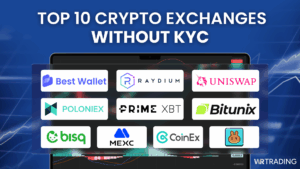
In reality (most no-KYC exchanges still have withdrawal caps), regional restrictions, or may eventually request verification depending on account activity. However, users should always understand the potential legal and compliance risks involved before doing this. Finally (depending on your location), you may need to use a VPN to access certain no-KYC centralized exchanges. Small costs like this add up over time — especially for active traders. At the end of the day, centralized exchanges always introduce a single point of failure, and if something goes wrong, it can affect your funds immediately. In some situations — users may face withdrawal restrictions or temporary account freezes until verification is completed.